
How Did Chinese Simplified Translation Become Popular?

Chinese simplified characters were first introduced in mainland China in the 1950s as a way to increase literacy rates and make reading and writing easier for the masses. The simplified characters were based on the traditional characters used in China but with a simplified stroke structure that made them easier to write and read.

The adoption of simplified characters was part of a broader effort by the Chinese government to promote modernization and increase literacy rates in China. The population quickly embraced the simplified characters, becoming the standard writing system in mainland China.


Evolution of the Chinese language

As China's economy grew and the country became more connected to the world, simplified characters became more widespread outside of China. Simplified Chinese is now the dominant writing system used in China, Singapore, and Malaysia and is also commonly used in other countries with significant Chinese-speaking populations.


The Chinese government has actively promoted the use of simplified characters through initiatives such as Chinese language education programs and the establishment of Confucius Institutes around the world. These efforts have helped increase awareness and understanding of Chinese culture and language, including using simplified characters.

Importance of Certified Chinese Translation 

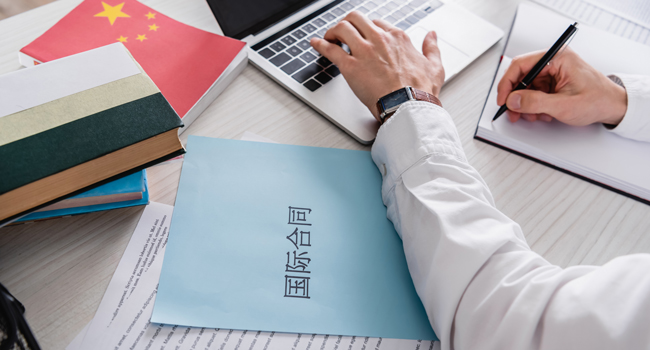
It's important to get a certificate for Chinese Simplified Translation, depending on the translation's purpose and the recipient's or governing authorities' requirements.


For example, if you are seeking employment as a professional translator or applying for a translation-related role, having a certification can be valuable in demonstrating your proficiency in Chinese and your ability to provide accurate translations. Many employers and clients prefer to work with certified translators as it gives them confidence in the translation's quality and accuracy.


If you translate official documents, such as legal or government documents, a certification may be required to ensure the translation is accurate and reliable. In some cases, official translations may be required to be certified or notarized to be legally recognized.


Today its essential to have a certified translation of the Chinese language if you are planning to move to the country. You can get the best services from Beyond Translation. Visit the website now for more information.


Comments

Popular posts from this blog

Why Accuracy Matters: The Role of Commercial Translation Services in Global Business

The non-stop advancement of technology and globalisation has opened up a plethora of opportunities for companies across all industries to gain strong global recognition. The main obstacle they have to face is language barriers. This is where commercial translation services help these businesses out. If you want your business to be the market leader all over the world, these services can help you break language barriers. They customise the content as per the desired language and ensure accuracy and cultural relevance. Here’s a detailed explanation about the role played by commercial translation services in global business. Facilitating Communication Effective communication is the foundation of any successful business. Nowadays, businesses run their operations in multiple countries that have their own languages and cultural norms. With clear and effective communication, your business can build trust and good relationships with customers, stakeholders, and partners. Accurate transla...

Understanding International Regulations for Translated Medical Documents

When working with medical documents across different countries, getting accurate translations is more than just changing words from one language to another. There are strict rules and regulations that must be followed to ensure patient safety and legal compliance. Why Medical Translation Matters Medical translation services play a crucial role in healthcare systems all over the world. Whether it's a simple medical receipt for insurance claims or complex pharmaceutical research reports, every translated document must meet specific standards. The stakes are high because mistakes in medical translations can result in serious health risks or legal consequences. Types of Medical Documents That Need Translation Healthcare organisations regularly need translations for various documents, including: Pre-clinical reports Research papers Clinical trial agreements Study protocols, Marketing authorisation applications. Each type requires specialised knowledge and underst...

How to Maintain Brand Consistency in Multilingual Desktop Publishing?

We live in a world where businesses reach audiences from different cultures and backgrounds. But with brands expanding, it has become important to make sure every version of their message looks and sounds the same everywhere. This commonly applies to marketing materials, manuals, and documents that get translated for use in many different countries. In this blog, we’ll explain how you can maintain brand consistency while working with multilingual desktop publishing (DTP) . What is Multilingual Desktop Publishing? Multilingual desktop publishing is not just about translating a document from one language to another. It involves replacing the text while making sure every page matches the original layout, design, and brand style. Professional DTP service providers, like Beyond Translation , manage fonts, images, graphics, and formatting rules in any language. Because of this, your document looks and feels consistent with your brand identity, no matter what language it’s in. The Imp...